
MONMOUTH & OCEAN COUNTY BLOG
One Storage Wall or Two? Keep a Mudroom Wide Enough to Work
Storage can make a mudroom useful, but cabinets on every available wall can leave too little room for people to enter, sit, turn and carry things into the house. For homeowners in Monmouth and northern Ocean County, the choice between one main storage wall and storage on both sides should begin with the busiest arrival, the depth of real belongings and the clear path that remains when doors, drawers and benches are in use.

Measure the busiest crossing before drawing cabinets
Recreate the hardest few minutes of a normal week: two people arriving together, grocery bags in both hands, a child stopping for shoes, a pet at the door or sports equipment coming inside. Note where people pause and where they need to pass.
Measure the coats, bags, shoes, baskets and bulky gear as they are actually stored. Cabinet depth alone does not show the room in use; hanging sleeves, open doors, pulled-out drawers and items left to dry all project into the center.
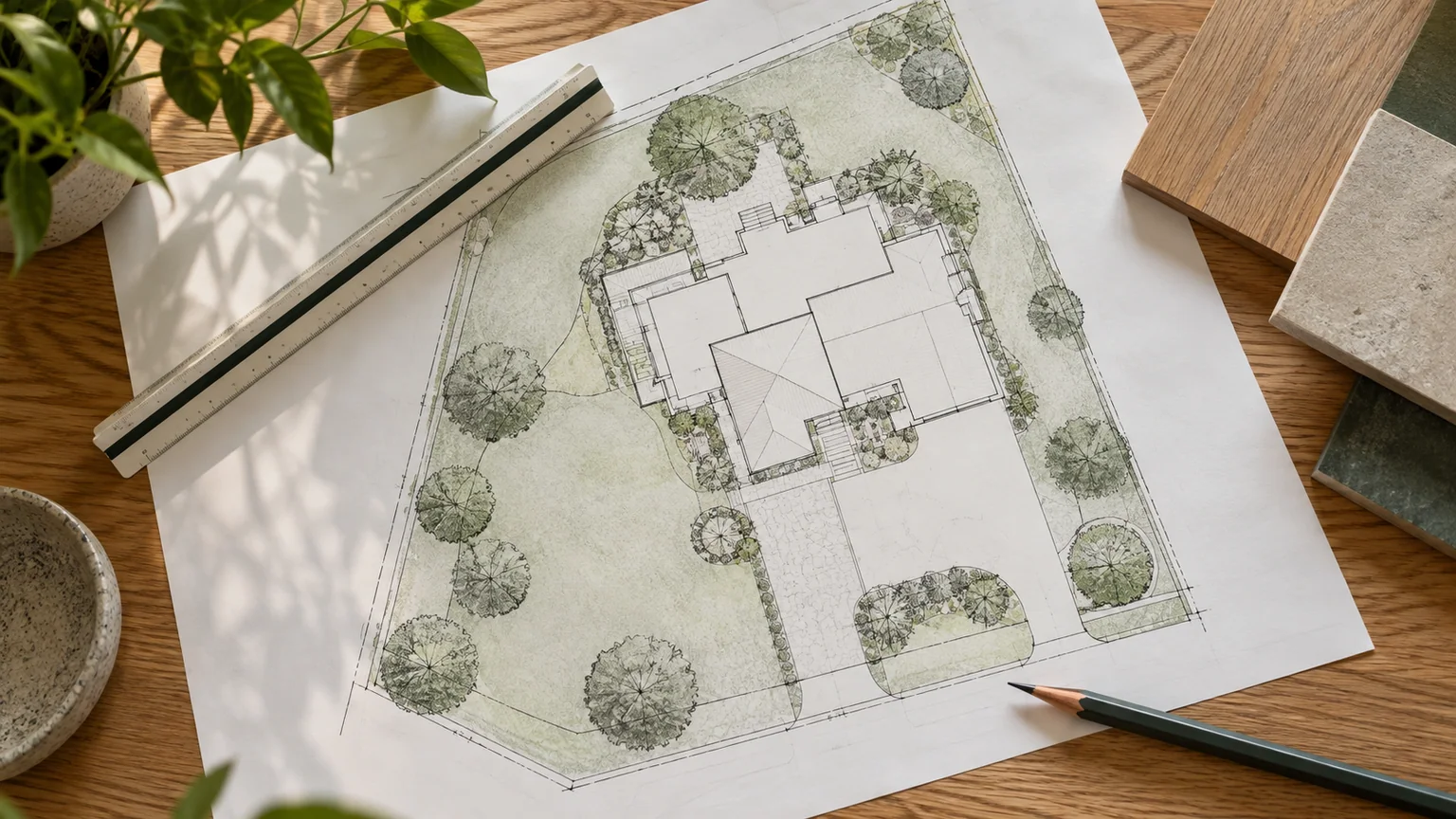
One storage wall can protect a simple route
Concentrating hooks, cabinets, a bench and small-item storage on one side can leave the opposite wall open and make the route from the exterior door to the house easy to understand. It can also provide a clear place to stand while another person uses the storage.
The tradeoff is limited capacity and a long working wall. If every function is forced into one elevation, bags may compete with coats, the bench may become too short and tall storage may crowd the landing surface. Assign each section a job before deciding that one wall is enough.
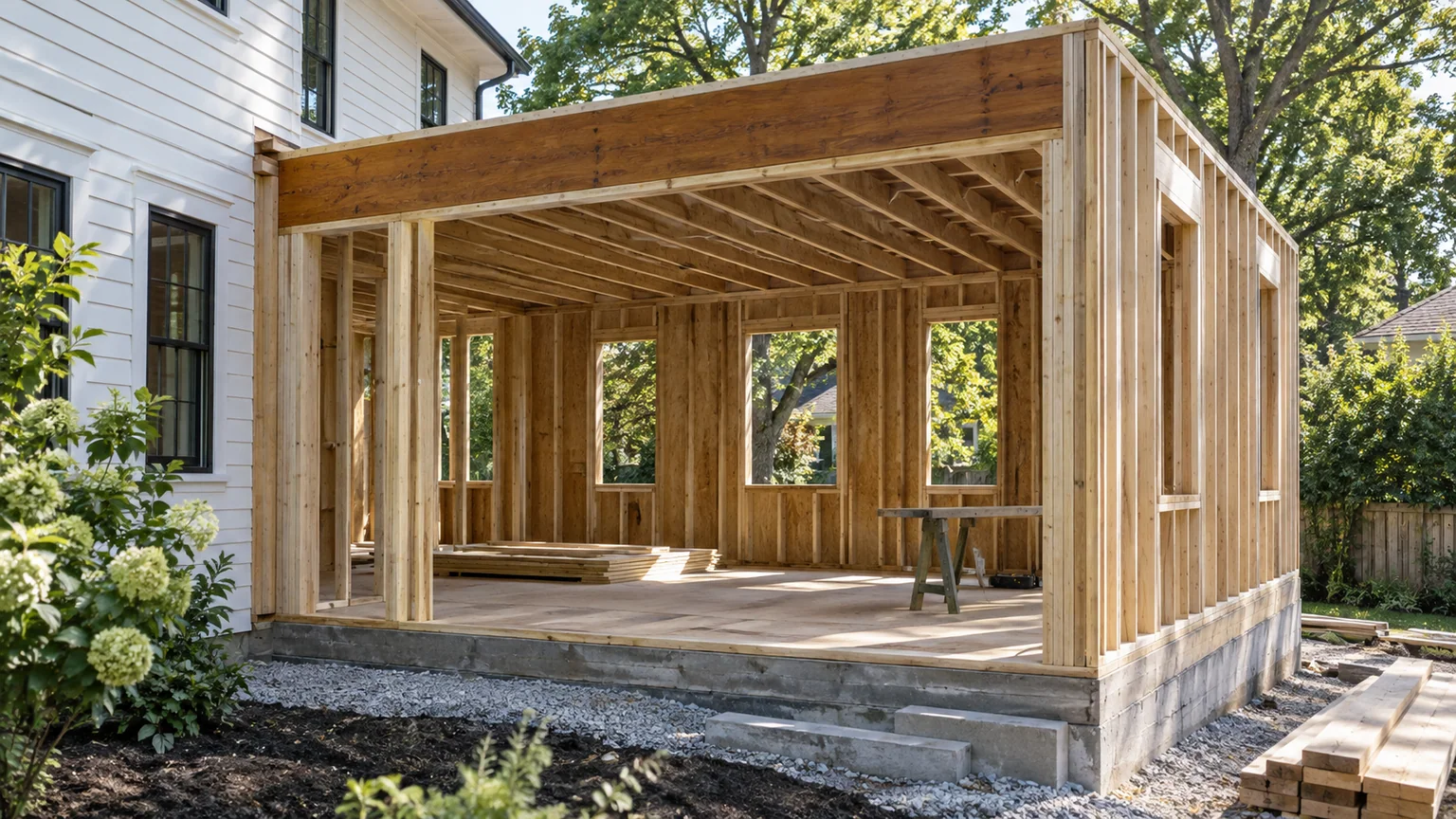
Two-sided storage can add capacity but compress activity
Opposing storage may separate users, seasons or tasks. Daily coats and bags could stay on one side while shoes, household supplies or sports gear occupy the other, reducing the need to stack unrelated items together.
The center must still support movement. Deep cabinets facing a bench, open doors across from drawers or hooks at shoulder height can make a room feel narrow even when the plan shows a continuous aisle. Compare the clear width with both sides actively in use.
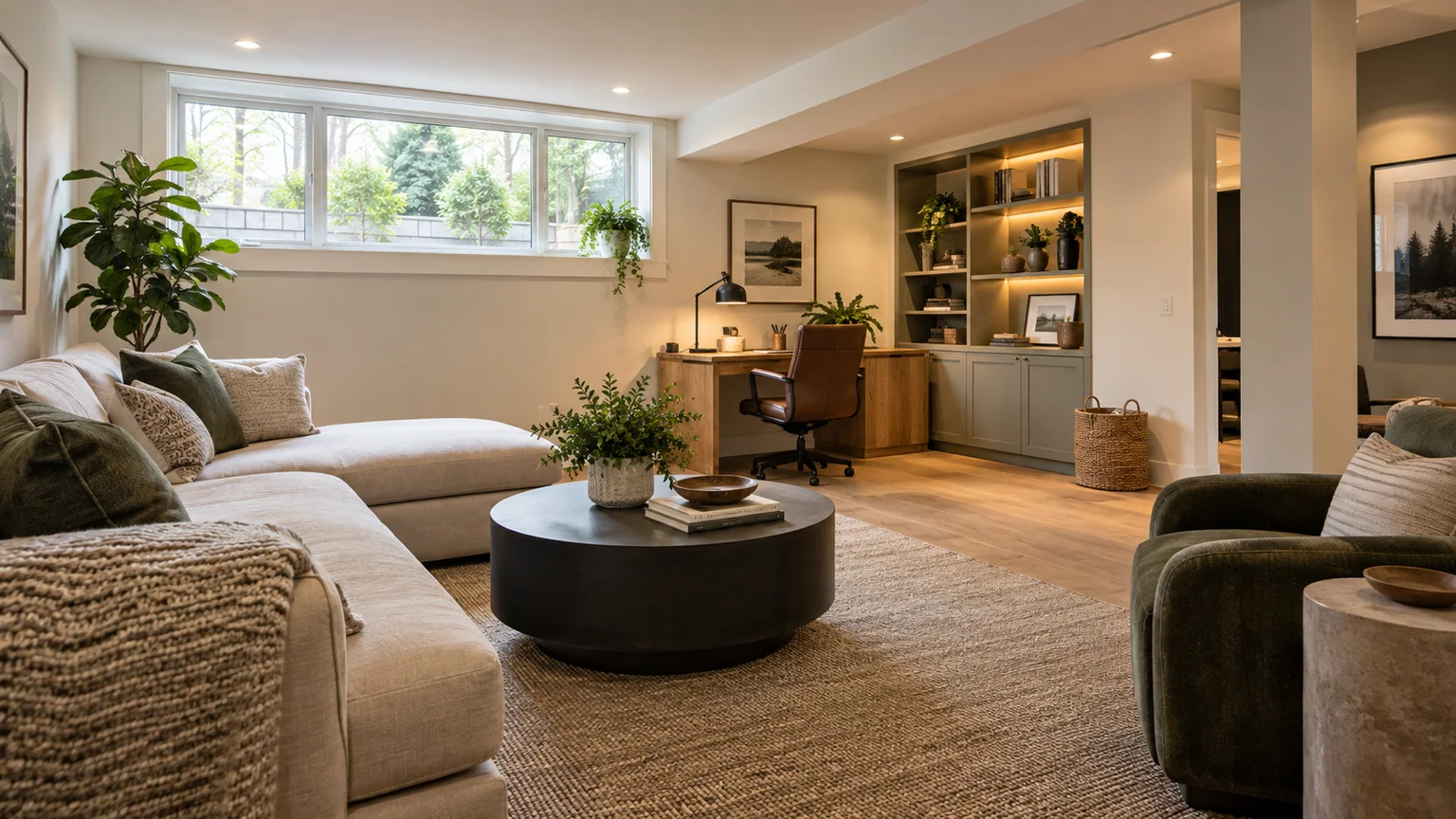
Use shallow storage where full depth is unnecessary
Keys, mail, sunglasses, pet supplies and charging may need only a shallow cabinet or shelf. Shoes can use a different depth than hanging coats, and cleaning supplies may work in one tall, defined section.
Varying depth can preserve the walking path while still using a second wall. Keep projecting corners out of the entry line and make sure shallow storage remains deep enough for its assigned objects instead of becoming decorative space.
Treat the bench as an activity zone
A bench needs room for knees, feet, bending and standing again. It also needs a nearby destination for the shoes, bags or packages that are handled while someone is seated.
If the bench faces deep storage, test whether another person can pass while it is occupied. If a door swings toward it, check whether the seated user is trapped or blocks the opening. A bench that interrupts the route may become another shelf rather than a useful seat.
Draw every door and drawer open at the same time
Show the exterior door, house door, closet doors, cabinet doors, drawers and pull-out baskets in their working positions. Then add people standing in front of the storage rather than placing them in the remaining empty corners.
Look for repeated conflicts. A cabinet used rarely may tolerate a temporary overlap, while a daily shoe drawer that blocks the only path will frustrate every departure. Adjust the door type, storage depth or location around frequency of use.
Plan for two people without doubling every feature
Separate the actions that truly happen together. Two people may need coat hooks and shoe space at once, but they may share a single landing surface or closed cabinet without delay.
Give each user a recognizable daily zone while keeping occasional and seasonal items elsewhere. Duplicating every cubby can consume the wall without improving the routine, especially when one person’s larger gear needs more room than equal compartments provide.
Keep groceries, laundry and wet gear moving
Trace groceries and packages from the exterior door to the kitchen. The carrying route should not require turning around an open closet door, stepping over shoes or squeezing behind someone seated at the bench.
Map wet coats, towels and dirty clothing to their next destination as well. A connection to laundry or a defined drying area can shorten the route, but it should not turn the mudroom center into temporary storage that blocks the household path.
Evaluate the room, addition and property together
Compare reworking the existing entry with adding a wider mudroom. For an addition, study parking, walkways, steps, grade, drainage, utilities, exterior appearance, nearby windows and the connection to the kitchen or main circulation.
Have qualified professionals evaluate the existing structure, proposed addition and relevant site conditions, and confirm property-specific review with the appropriate municipality. General layout comparisons can identify priorities, but they are not engineering conclusions, code determinations or approvals.
Run a taped-width test with Build 1 Additions
Mark both layouts at full size: one deep storage wall with an open opposite side, then storage on both sides using the proposed depths. Add open doors, a seated person, hanging coats, shoes and the largest bag or equipment. Walk through with full hands while another person uses the room.
Bring the arrival notes, storage inventory, measurements, photos and a property survey if available to a conversation with Build 1 Additions. To compare one-wall and two-sided mudroom layouts for a home in Monmouth or northern Ocean County, request a consultation through this website.
Related reading
COMMON QUESTIONS
What homeowners ask
Is storage on both sides of a mudroom always more useful?
No. It can add capacity, but opposing storage also reduces clear width and creates more door, drawer and user conflicts. Compare both layouts with the actual belongings and people shown in use.
What belongs on a shallow mudroom wall?
Small items such as keys, mail, pet supplies or charging may fit shallow storage. Shoe storage and selected household supplies may also work when the depth is matched to the measured objects.
How should homeowners test mudroom width?
Tape the cabinet, bench and door positions at full size, add realistic coats, shoes and bags, then rehearse two people arriving, sitting, opening storage and carrying groceries through the room.
Official planning resources
Confirm requirements for your property with your municipal zoning and construction offices.